
RIP Airline Miles?
How Crypto exchanges are poised to disrupt the established Credit Card rewards market..and more.
We all do it.
Furiously using our rewards credit card on every possible transaction for the sole purpose of accumulating a currency with zero portability:
Airline Miiles and “Points”
For decades I’ve practiced this tactic only to be left shocked at how little buying power my miles have once it comes time to actually cash them in. The issuers of these programs are smart; they pay customers in a fake centralized currency that rapidly inflates away. How? When you spend $5,000 today and receive 5,000 AMEX miles……by the time you redeem those miles 4 years from now, the conversion value will likely give you much less buying power.
Enter crypto exchanges.
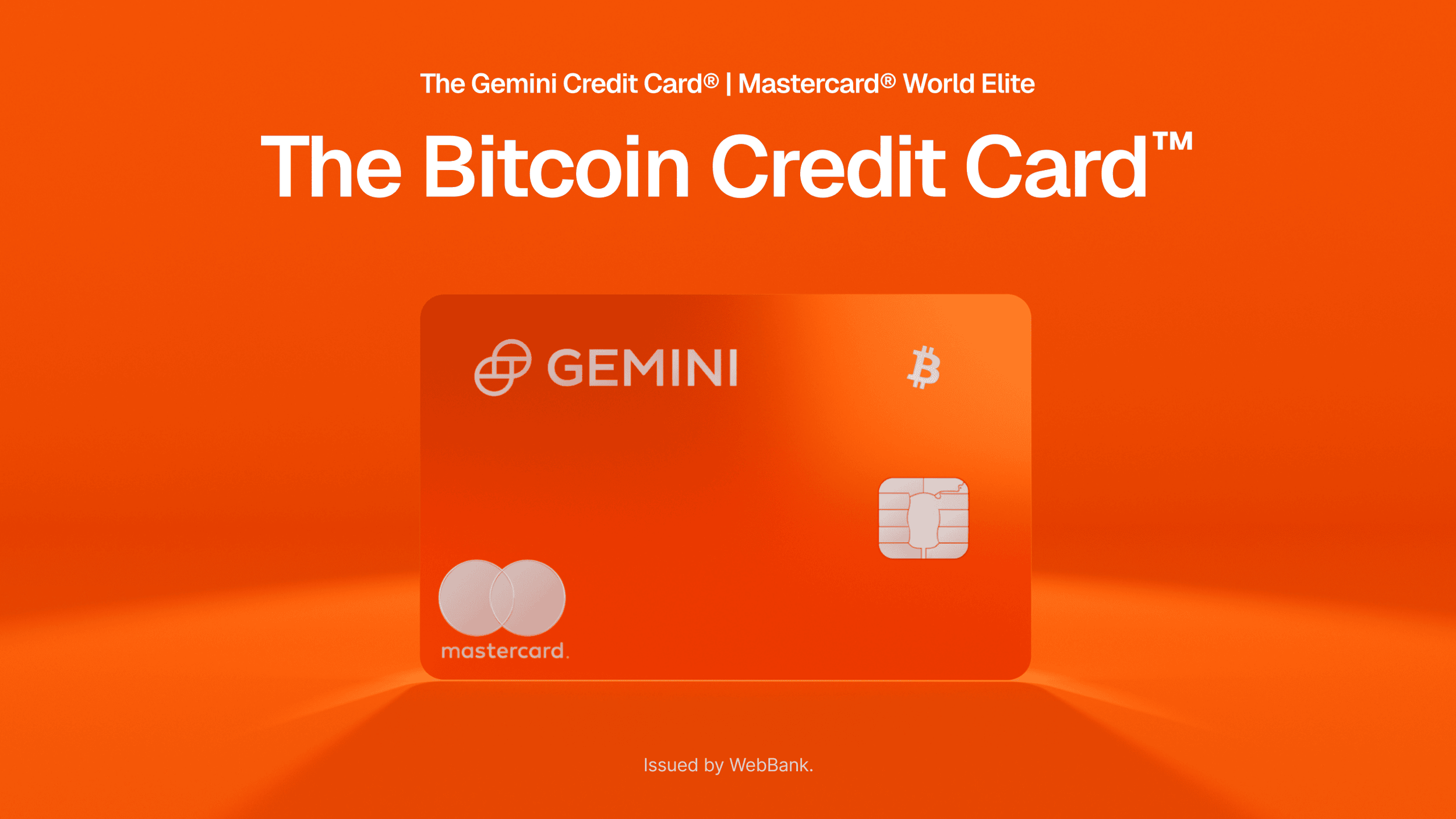
Both Gemini and Coinbase are making waves in the credit card game…..and their strategy is MUCH different. Instead of giving you “points” when you spend with their credit cards….they automatically pay you in crypto. I signed up for a Gemini card last year to test things out and became hooked almost immediately. When I spend $50 at a restaurant, my Gemini wallet receives a corresponding reward amount in Bitcoin. So if I’m earning 2% then I have $1 worth of BTC instantly deposited into my crypto wallet.
This I believe represents a turning point for rewards spending. When I use the Gemini card, I am paid a reward in an asset that I actually want (Bitcoin), I get to see the accrued value benefit me almost immediately (instant deposit), and I can choose to let my Bitcoin potentially grow in value (opposite of airline miles) or sell my BTC for cash and spend how I please.
Gemini has even tailored its program to also pay customers in USD, Solana (SOL) and several other approved crypto tokens.
Enter the 1,200 lb gorilla: COINBASE
Coinbase recently partnered with American Express to launch their own card called Coinbase One Card. This credit card mirrors the functionality of its Gemini counterpart with some key distinctions. While you do pay a small annual fee, Coinbase offers a multitude of benefits that outweigh the cost for even a recreational crypto investor. More importantly though is how Coinbase toggles its rewards tiers. Like other cards, the issuer pays out rewards of varying percentages based on the type of business you spend it at (eg 2% at grocery but 3% at a gas station).
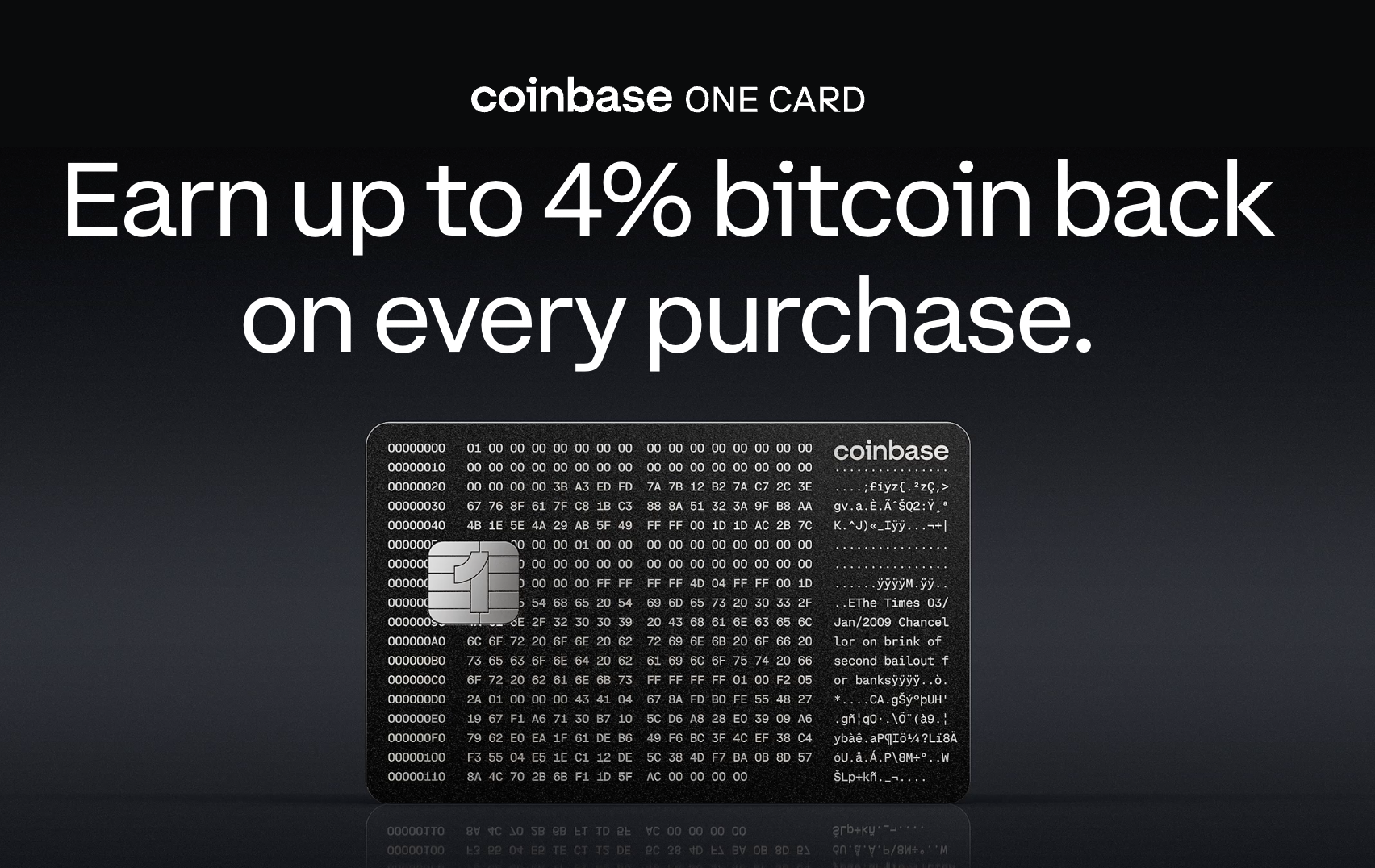
Coinbase has a variable payout system that is predicated on your deposits. So the more USD you keep in your Coinbase account, the higher your rewards payouts are. All the while, you can earn a yield on your USD deposits as well thereby creating a double-incentive. This new business model allows Coinbase to easily tailor rewards to its customers based on the size of the depository relationship in real time.
While my belief is that Airline & Hotel rewards programs will survive (especially those that cater to business travel), there seems no real headwind to this new type of program that can provide an almost immediate financial reward to anyone who views Airline Points/Miles as the “least-worst” option.
Coinbase (and others) now clearly venturing into consumer finance could pose a serious challenge to the established died-in-the-wool institutions. These crypto exchanges have discovered a completely new avenue to onramping millions of consumers from fiat currency to the blockchain.
I come from a family of bankers. In the late 80’s and early 90’s, my father helped create a credit card program for the US military, effectively bringing servicemen and servicewomen into the consumer credit universe for the first time. These types of affinity programs were significant drivers to credit adoption.
Gemini and Coinbase now sit ready to capitalize on the next wave of credit adoption: Crypto.
-cg