
The incredible shrinking stock market
A sea change for how wealthy investors allocate capital is fully underway.
Something happened to the American stock market over the last 30 years that few discuss.
In 1996, there were 8,090 companies listed on US public exchanges. Today that number sits at roughly 3,943.
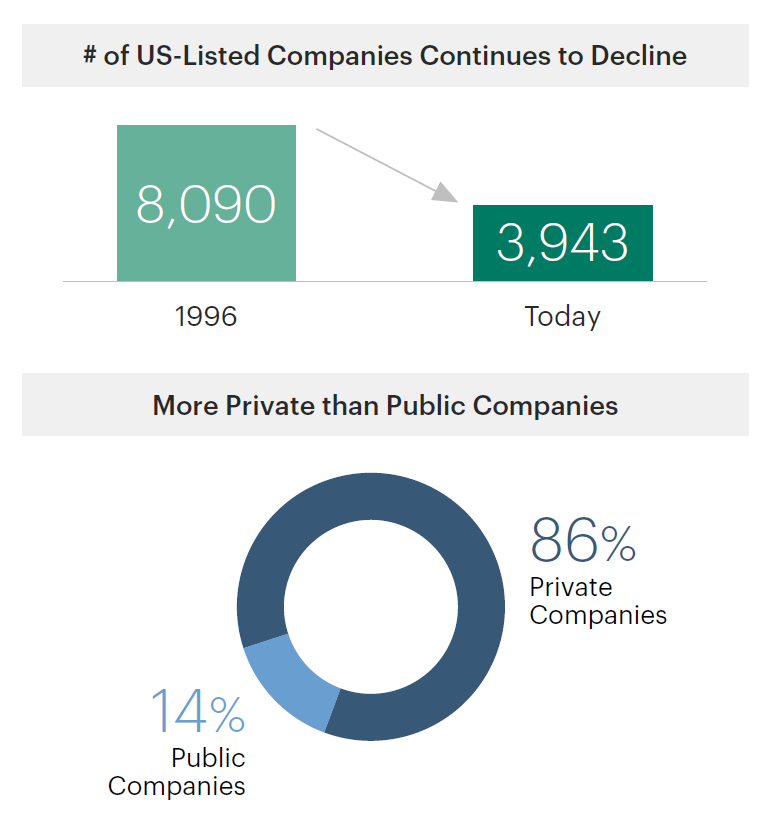
Source: From Apollo Asset Managers
Let that sink in for a moment. In a period where our economy has grown dramatically and technology has created unprecedented wealth, the number of investable public companies has been cut nearly in half.
So where did they all go?
A combination of forces is quietly gutting public markets. Private equity has gobbled up thousands of companies and taken them off exchange. Mergers and acquisitions have consolidated entire industries into a handful of mega-caps. And perhaps most significantly, the best and fastest-growing companies have discovered they simply don’t need the public markets . When a founder can raise hundreds of millions from a small group of sophisticated investors without ever filing an S-1, why bother with the scrutiny, the quarterly earnings theater, and the short-term pressure that comes with a public listing?
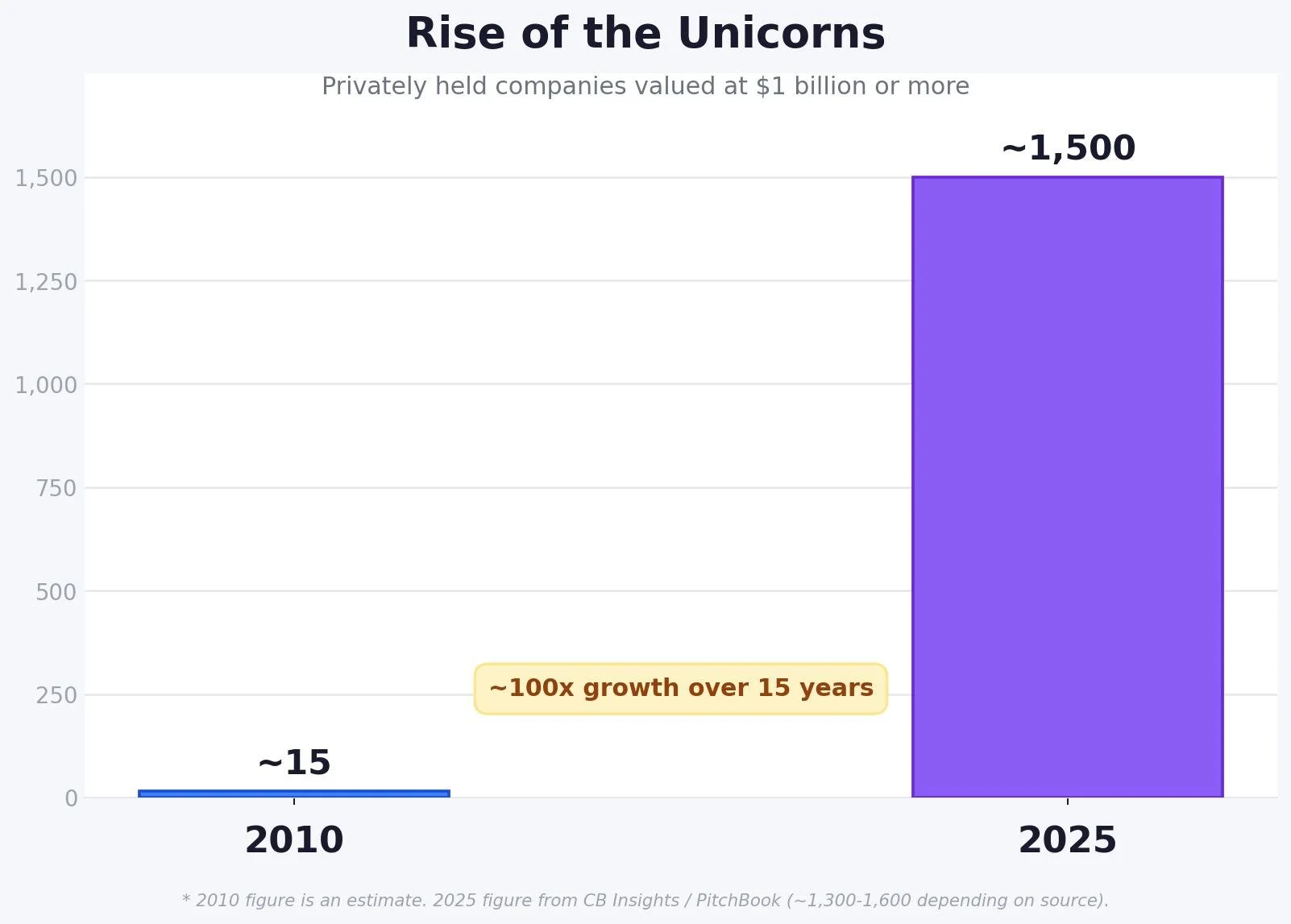
Think about the last generation of truly transformational companies. Uber stayed private for over a decade (and rode that to a $75B valuation). SpaceX — arguably the most consequential aerospace company ever built — remains a $1T+ private company. OpenAI……private. The next generation of AI infrastructure companies? Almost universally private. The message is clear: the most exciting growth is increasingly happening behind closed doors.
with help from Claude.ai
For the traditional stock market investor, this is a real problem.
The 60/40 portfolio — 60% stocks, 40% bonds — served investors well for decades. But that model was built around a world where the public markets captured the lion’s share of economic growth and innovation. That world no longer exists. When you buy an S&P 500 index fund today, you are largely buying mature, slower-growing businesses. The scrappy, high-growth companies that will define the next decade are being built entirely outside of your brokerage account.
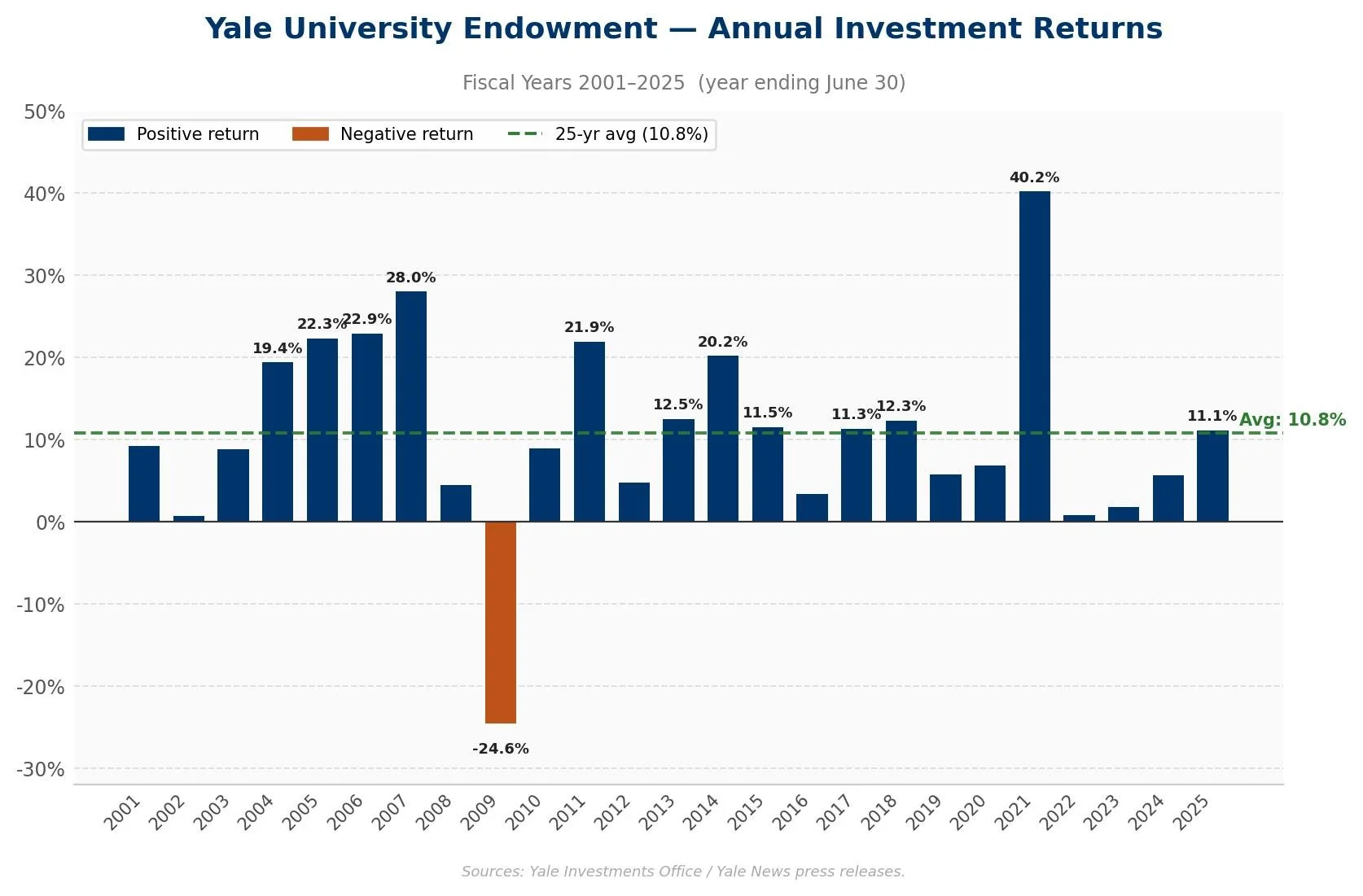
This reality has not been lost on the ultra-wealthy. Endowments, sovereign wealth funds, and family offices have been quietly shifting enormous capital into private equity, private credit, and venture capital for years. Yale’s endowment — long considered the gold standard of institutional investing — has historically allocated well over 30% of its portfolio to private equity and venture alone. Their returns have consistently left the traditional 60/40 model in the dust.
A new cadre of private markets platforms has increased access to these markets.
Companies like Fundrise, Moonfare, and iCapital are now allowing accredited investors to participate in private equity and private credit deals that were previously reserved for the largest institutions. Minimum investments that once required a $5–10 million relationship are now available at a fraction of that threshold. The barrier to entry is coming down quickly, and wealth managers are increasingly looking to incorporate private allocations as a standard part of a well-constructed portfolio.
I believe in the growth of private markets investing so much, I even started a new firm focused on it. Cohesion Partners gives wealthy families this specific type of asset class; private investments in both equity & credit. We eschew the retail-focused platforms (above) and instead use our team’s decades-long close network of VC’s, entrepreneurs & family offices for the right deal flow into the types of investments we prefer.
Private markets are not without their risks. Liquidity is limited — you generally cannot exit a private investment with a click of a button the way you would a share of Apple. Lock-up periods of five to ten years are common. And manager selection matters enormously; the spread between a top-quartile and bottom-quartile private equity manager is staggering in a way that simply doesn’t exist in public markets.
But for serious long-term wealth investors who are willing to accept illiquidity in exchange for access to the growth that has migrated off the public exchanges……private markets are no longer optional. They are essential.
Half the market has already moved. The question is whether your portfolio has moved with it.
-cg